#14-15, Singapore 228510
| Tel. | : +65 6970 5905 |
| Fax | : +65 6970 5906 |
| Mobile | : +65 9898 7781 |
| : hello@bjc.sg, drkevinkoo@bjc.sg |

#14-15, Singapore 228510
| Tel. | : +65 6970 5905 |
| Fax | : +65 6970 5906 |
| Mobile | : +65 9898 7781 |
| : hello@bjc.sg, drkevinkoo@bjc.sg |
| Monday - Friday | : 8:30am to 5:30pm |
| Saturday, Sunday & PH | : Closed |


We know that getting back to the activities you love is what truly matters. We are committed to providing high-quality, compassionate care to help you regain the ability to live life to the fullest.
Call us at 9898 7781 or fill out the form below and we will get in touch as soon as possible.
Diagnosis & Treatment
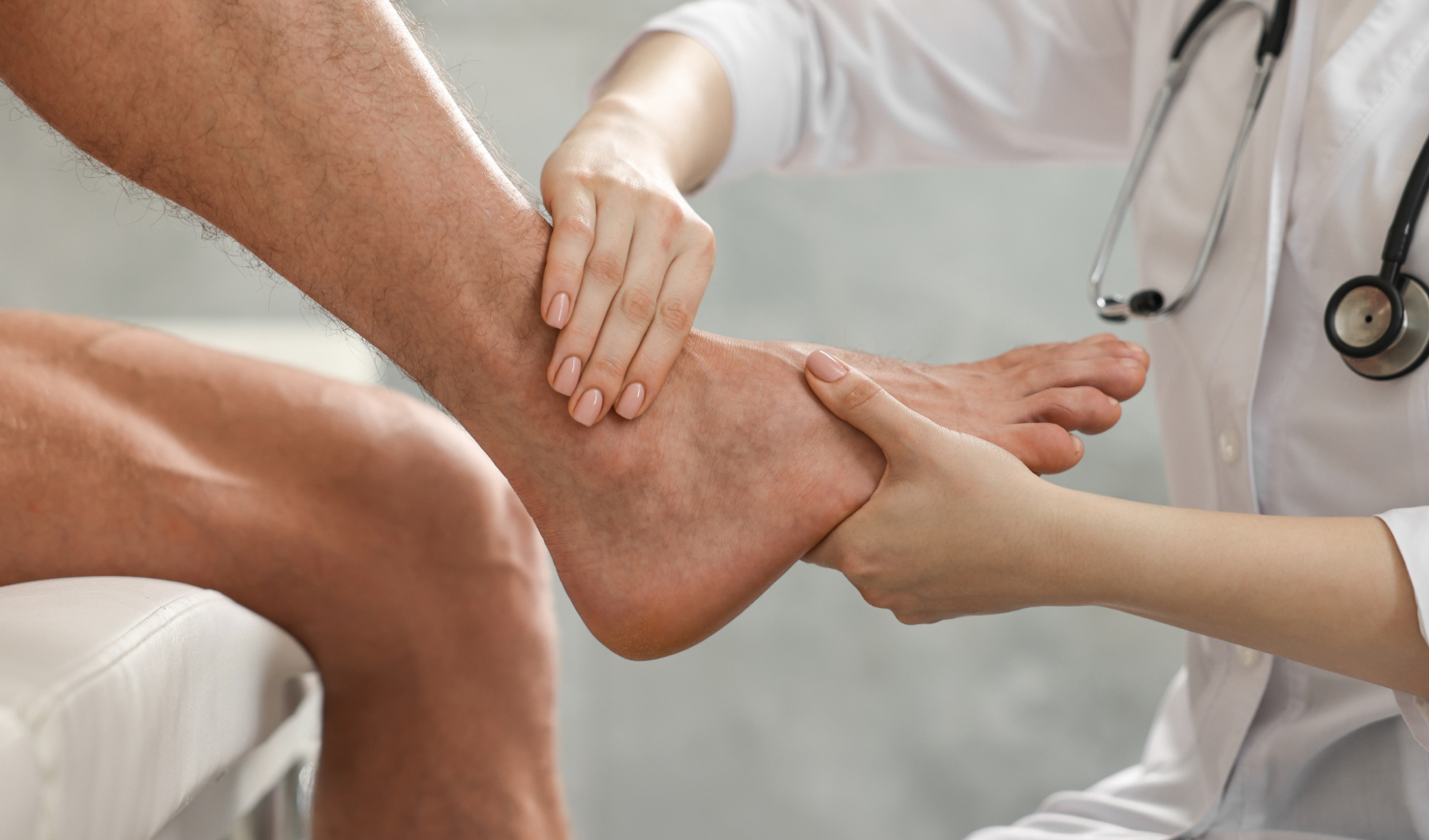
To determine the type of ankle injury sustained and its severity, a physical examination of the ankle will be first carried out to check for discomfort, visible deformity and assess the range of motion in the ankle. Further evaluation of medical history, activity levels and symptoms may also be conducted. Additional imaging tests like X-rays, MRI scans or ultrasound scans can also be ordered for in-depth evaluation of the ankle injury and diagnosis confirmation.
Treating ankle injuries can range from conservative methods to surgical procedures, depending on the type and severity of the injury.
A standard first-line approach for managing mild ankle injuries that involves rest, ice, compression and elevation, with the goal of reducing pain and swelling in the early stages of injury.
Pain relief medications and anti-inflammatory drugs can be prescribed to ease pain and reduce inflammation. In cases of chronic ankle condition or where symptom persists,corticosteroid injections may also be administered to manage inflammation.
A tailored rehabilitation programme that involves targeted exercises and modalities to help improve the strength, flexibility, and range of motion of the ankle joint.
The use of assistive devices such as custom orthotics, braces, splints and crutches can help offload pressure on the affected area and provide additional support to better facilitate healing.
Treating ankle injuries can range from conservative methods to surgical procedures, depending on the type and severity of the injury.
A minimally invasive surgery where a thin, fibre-optic camera (arthroscope) is inserted into the ankle joint via keyhole incisions to assess the ankle joint, and allow for miniature surgical instruments to be inserted to treat various ankle issues such as damaged or inflamed tissue and torn cartilage.
As a less invasive procedure, ankle arthroscopy has the advantage of minimal pain, risks and quicker recovery time compared to traditional open ankle surgery.
This involves repairing the torn ligament or replacing the damaged ligament with ligaments from other parts of the body, so as to restore ankle stability and prevent recurrent sprains.
Performed using a keyhole method known as ArthoBrostrom repair, this procedure yields lesser postoperative pain, wound complications and downtime.
Performed via an open or arthroscopic approach, this procedure addresses damaged cartilage in the ankle joint, where the affected cartilage is repaired or replaced with a healthy cartilage graft to restore joint function and relieve pain.
This surgery is used for cases of severely displaced fractures or if the ankle joint is unstable, where the broken bones are first manually realigned to their correct positions and held together using special screws, metal plates or rods to facilitate healing.
In this method, the damaged or ruptured Achilles tendon is repaired by surgically removing the damaged part and repairing the rest of the tendon with stitches. If there is severe damage to the tendon, a tendon graft from other parts of the body will be used to replace part or all of the Achilles tendon.
Commonly performed for Achilles tendonitis, this procedure involves removing the damaged tissue and stitching the remaining healthy portions of the tendon with sutures, so as to alleviate pain and improve range of motion.
Also known as ankle arthroplasty, this is where the damaged ankle joint is removed and replaced with an artificial implant made of metal and plastic, with the goal of relieving pain and preserving ankle motion in patients with ankle arthritis.
This method, also known as ankle arthrodesis, is where two or more bones in the ankle joint are fused together and is often done to treat severe arthritis in the ankle. This procedure can be done with an open approach or arthroscopically to help alleviate pain and restore function.
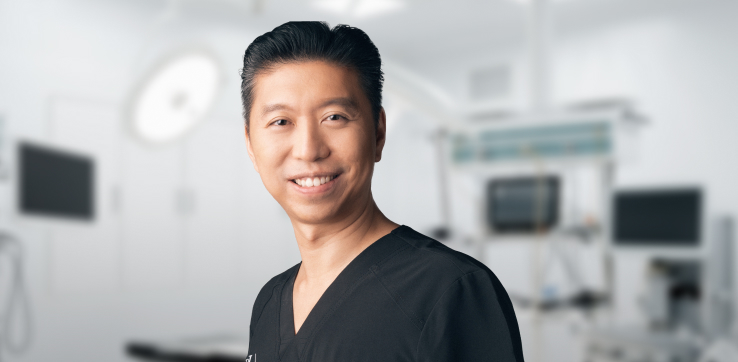 Dr Kevin Koo Oon Thien
Dr Kevin Koo is an accomplished foot and ankle surgeon who has over two decades of experience in the field of orthopaedic surgery with a strong focus on foot and ankle surgery.
A former Director of Foot and Ankle Service and Consultant Orthopaedic Surgeon of the Department of Orthopaedic Surgery at Singapore General Hospital, Dr Koo has earned him recognition both locally and abroad, where he presented extensively at numerous orthopaedic conferences, including the prestigious American Academy of Orthopaedic Surgeons (AAOS).
With firsthand experience treating elite athletes and professional dancers during his fellowship in United Kingdom, Dr Koo deeply understands the complexities of ankle injuries and delivers specialised care for effective and lasting recovery.
We look forward to helping you restore optimal comfort and mobility in your foot and ankle.
For appointment or further assistance, contact us at 98987781 or fill in the enquiry form below and we will be in touch with you soonest possible.
 Address
#14-15, Singapore 228510
 Operating Hours Operating Hours | |
| Mon - FriMonday - Friday | : 8:30am to 5:30pm |
| Sat, Sun & PHSaturday, Sunday & PH | : Closed |
 Contact Information Contact Information | |
| Tel. | : +65 6970 5905 |
| Fax | : +65 6970 5906 |
| Mobile | : +65 9898 7781 |
| : hello@bjc.sg, drkevinkoo@bjc.sg | |